Best IVF Methods for Women with Low Ovarian Reserve
February 26, 2025
How to Increase Success Rates in IVF Treatment?
February 28, 2025
Exosomes: Tiny Messengers with Big Potential
Exosomes, often referred to as tiny messengers, are proving to be pivotal in the realm of cell communication. The exosome definition is crucial: they are small vesicles that facilitate intercellular communication by transferring their cargo from one cell to another.
The potential of exosomes as biological messengers cannot be overstated. They play a significant role in various physiological processes and have been linked to numerous pathological conditions. By acting as carriers of molecular signals between cells, exosomes help maintain homeostasis within the body and can influence immune responses, tissue repair, and even cancer progression.
The exploration into exosome-based therapies is rapidly expanding. Researchers are investigating how these nanovesicles can be harnessed for delivering drugs or genetic material precisely where needed within the body. This targeted approach could revolutionize treatments for diseases that currently lack effective therapies.
In conclusion, while they may be small in size, exosomes hold immense potential for advancing our understanding of cellular communication and developing innovative medical treatments. Their role as biological messengers opens up exciting possibilities for future research and therapeutic applications.
The Role of Exosomes in Human Biology and Medicine
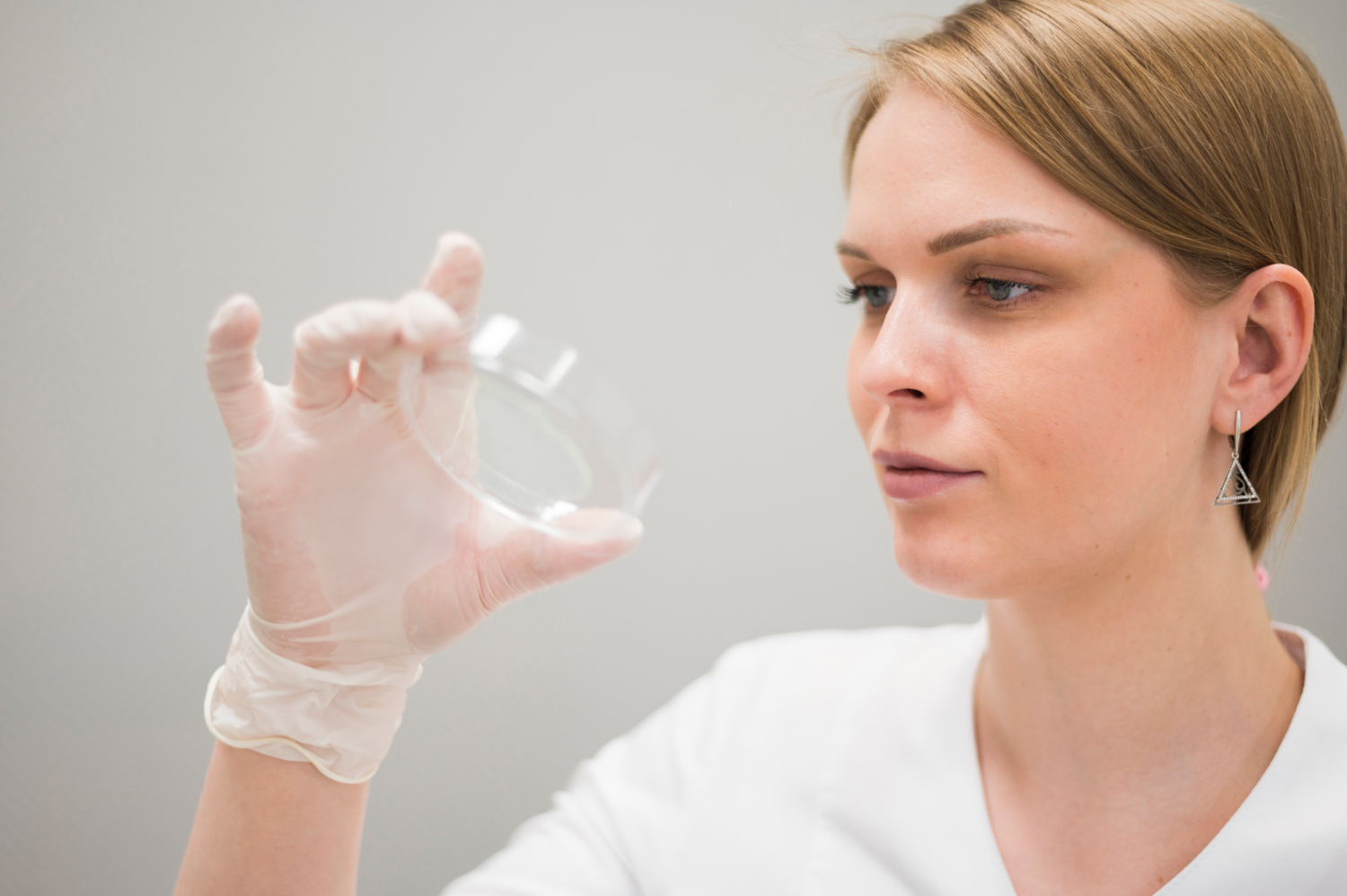
Exosomes, tiny vesicles secreted by cells, are emerging as pivotal players in human biology and medicine. Their primary function lies in facilitating cell-to-cell communication, acting as messengers that transport proteins, lipids, and genetic material between cells. This ability to convey complex biological information makes them essential for maintaining cellular health and function.
In the realm of regenerative medicine, exosomes hold incredible promise. They have the potential to revolutionize therapeutic approaches by promoting tissue repair and regeneration without the risks associated with traditional cell-based therapies. By harnessing their natural ability to modulate immune responses and stimulate healing processes, exosome-based therapies could lead to groundbreaking advancements in treating a variety of conditions.
Moreover, exosomes are being explored as vehicles for targeted drug delivery. Their capacity to cross biological barriers and deliver therapeutic agents directly to specific cells offers a novel approach that could enhance the efficacy of treatments while minimizing side effects. As research continues to uncover their vast potential, it’s clear that exosomes will play a transformative role in future medical innovations.
In conclusion, understanding and leveraging the multifaceted functions of exosomes can unlock new frontiers in medicine. Their role in cell-to-cell communication is not just fundamental but also instrumental in paving the way for next-generation therapies that promise improved outcomes for patients worldwide.
How Exosomes Enhance IVF Success Rates
In recent years, the field of fertility treatment has witnessed remarkable advancements, and one of the most promising innovations is the use of exosomes in IVF. These tiny extracellular vesicles are revolutionizing how we approach IVF treatment by significantly enhancing success rates. But what exactly makes exosomes so powerful in this context?
Exosome use in IVF is a groundbreaking development that leverages these natural carriers to improve communication between cells. By facilitating better cellular interactions, exosomes can enhance embryo quality and implantation rates, crucial factors for successful pregnancies. This innovation represents a significant leap forward in fertility treatment advancements.
Moreover, integrating exosomes into IVF protocols can lead to more personalized treatments. They offer insights into the unique needs of each patient’s reproductive environment, allowing for tailored approaches that maximize success chances. This personalized edge is why many experts believe that improving IVF outcomes with exosomes will soon become a standard practice.
As we continue to explore the full potential of this technology, it’s clear that exosome use in IVF holds immense promise for couples seeking effective fertility solutions. By embracing these advancements, we are not just improving success rates but also offering hope and new possibilities to countless families worldwide.
The Process: Integrating Exosomes into IVF Protocols
Integrating exosomes into IVF protocols represents a groundbreaking advancement in reproductive medicine, offering new hope and enhanced outcomes for those undergoing fertility treatments. Exosomes, the tiny vesicles that play a crucial role in cell communication, are now being harnessed to revolutionize the IVF procedure by improving fertilization rates and supporting embryonic development.
The process of incorporating exosomes into IVF begins with their careful extraction and purification. These biological messengers are then introduced at strategic stages of the IVF cycle. One of the primary benefits is their ability to enhance fertilization techniques by optimizing the environment in which sperm meets egg, thereby increasing the chances of successful conception.
Beyond fertilization, exosomes serve as pivotal players in supporting embryonic development. They deliver essential proteins and genetic materials that promote cell growth and differentiation, ensuring that embryos reach critical developmental milestones more effectively. This added layer of support can significantly improve embryo quality and viability.
Embracing this innovative approach not only aligns with cutting-edge scientific research but also provides patients with a promising new avenue for achieving successful pregnancies. By integrating exosomes into IVF protocols, clinics can offer a more personalized treatment plan tailored to individual needs, ultimately leading to higher success rates and fulfilling dreams of parenthood for many hopeful families.