Things to Consider After IVF Embryo Transfer
March 27, 2025
What are the IVF laboratory procedures used in special cases?
April 24, 2025
The success of IVF (In Vitro Fertilization) treatment depends not only on combining egg and sperm, but also on advanced technologies used in the laboratory. In our clinic, we apply internationally recognized special laboratory techniques to support embryo development and increase the chances of pregnancy.
1. Piezo-Electric Method
This technique is particularly useful in eggs with a thick zona pellucida (outer shell of the egg). The Piezo-electric system uses microscopic vibrations to facilitate the injection of sperm into the egg during the ICSI (Intracytoplasmic Sperm Injection) process. It allows for more precise and controlled fertilization, especially in cases with previous low fertilization rates.
2. EmbryoGlue
EmbryoGlue is a special culture medium used during embryo transfer to help the embryo stick better to the uterine lining. It contains high levels of hyaluronic acid, a natural substance that supports implantation. EmbryoGlue can be particularly beneficial in patients with previous unsuccessful IVF attempts.
3. Calcium Ionophore Activation
In some cases, even when the sperm successfully enters the egg, fertilization does not occur. In such situations, a substance called calcium ionophore is used to artificially activate the egg and trigger the fertilization process. Known as “oocyte activation,” this technique is commonly used in cases of male factor infertility or unexplained fertilization failure.
4. EmbryoScope (Time-Lapse System) + Artificial Intelligence Integration
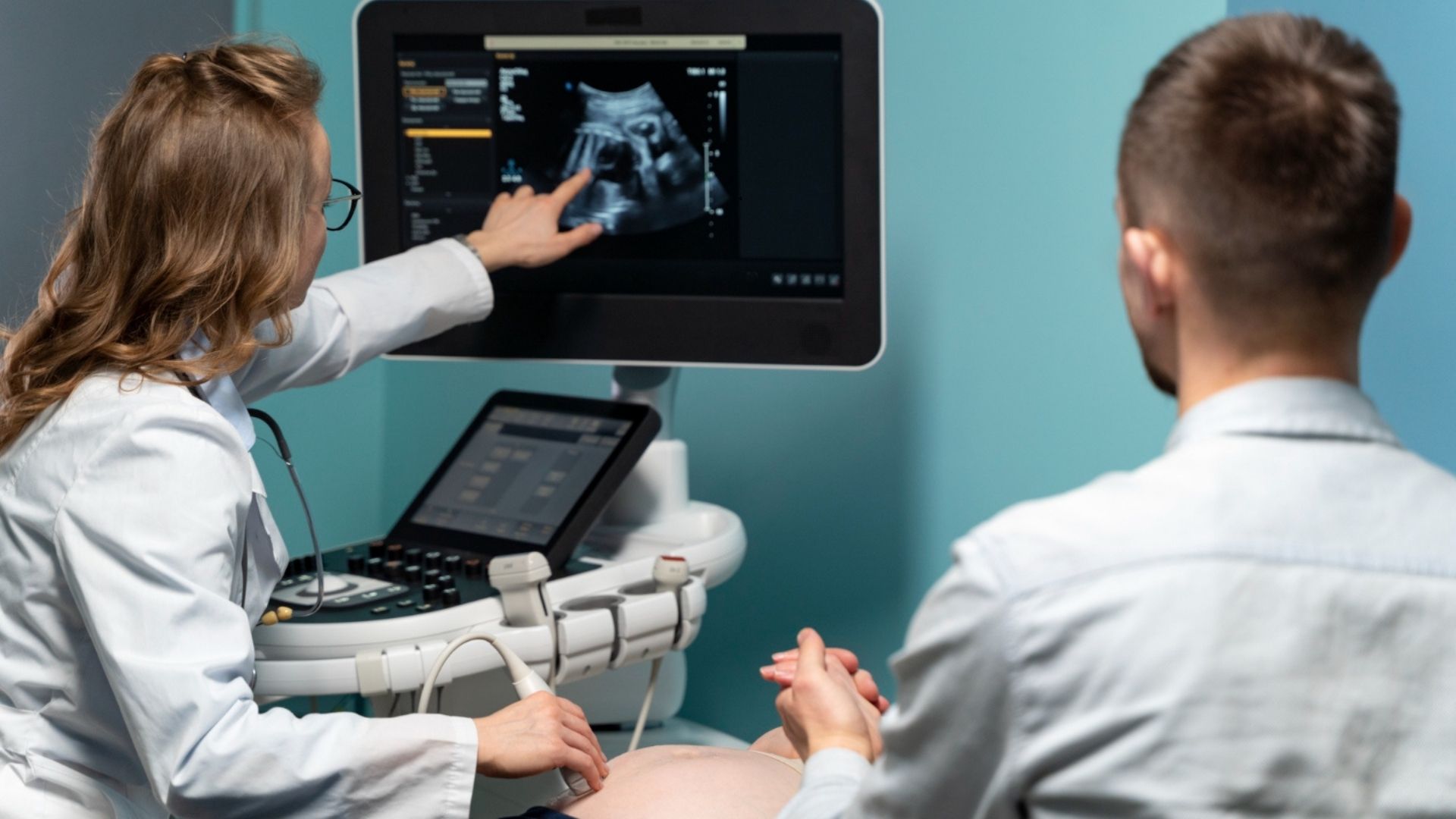
EmbryoScope is an advanced incubator system that continuously monitors embryos 24/7 through high-resolution imaging. With this technology, embryo development can be observed without removing them from the incubator, preserving optimal conditions at all times.
Advantages of this system:
•Continuous Monitoring: Traditional evaluation involves checking embryos under the microscope once or twice a day. In contrast, EmbryoScope captures detailed images every 10–15 minutes, allowing for the creation of time-lapse videos that reveal the full development process in real time.
•AI-Supported Embryo Selection:
These time-lapse videos are analyzed using artificial intelligence algorithms trained on tens of thousands of embryo cases. The system scores each embryo’s implantation potential based on patterns that may not be visible to the human eye. This provides valuable support to embryologists and minimizes the risk of human error.
•Higher Pregnancy Success Rates: By evaluating not only the appearance but also the exact timing of cell divisions and development patterns, AI helps identify the healthiest embryo with the highest chance of implantation.
•Stable and Protected Environment: Unlike conventional incubators where embryos are taken out for examination, EmbryoScope keeps embryos in a closed, stable environment (ideal temperature, pH, and humidity), minimizing external stress and supporting optimal development.
Who can benefit the most?
•Couples with repeated IVF failure
•Women of advanced maternal age
•Patients with limited number of embryos
•Cases where detailed embryo evaluation is essential
In conclusion, the integration of artificial intelligence with EmbryoScope offers a data-driven and personalized approach to embryo selection. Our goal is to choose the most suitable embryo at the optimal time to increase your chances of a successful and healthy pregnancy.