
Obstetric Infections During Pregnancy: Common Vaginal Conditions and Their Risks
November 28, 2025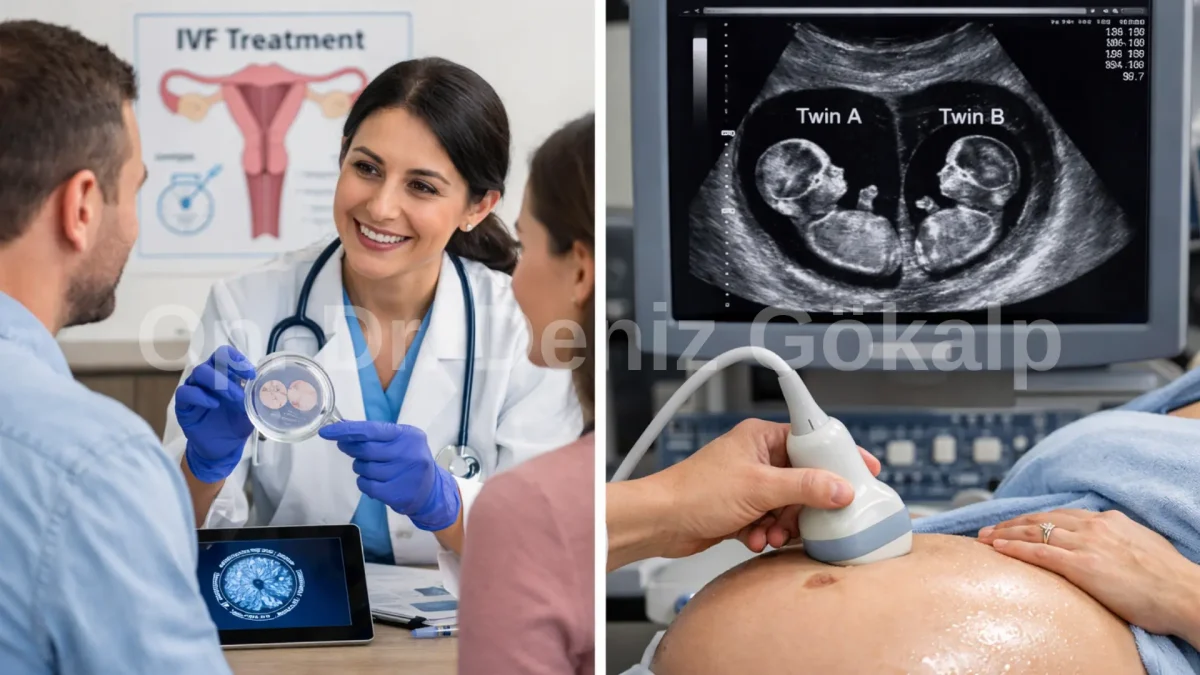
What Is Twin Pregnancy in IVF Treatment?
Twin pregnancy in IVF treatment refers to a pregnancy where two embryos develop simultaneously as a result of assisted reproductive techniques. Unlike spontaneous twin pregnancies, which occur naturally through the release and fertilization of multiple eggs, IVF-related twin pregnancies are most often associated with the transfer of more than one embryo into the uterus. This approach has historically been used to increase pregnancy rates, especially in patients with lower chances of implantation.
In IVF, embryos are created outside the body and carefully selected before transfer. When two embryos successfully implant in the uterine lining, a twin pregnancy occurs. These twins are usually fraternal, meaning they originate from two separate embryos and have their own placentas and amniotic sacs. Identical twins are less common in IVF but can still occur if a single embryo splits after transfer.
Twin pregnancy through IVF is considered a high-risk pregnancy compared to singleton pregnancies. While many twin IVF pregnancies result in healthy outcomes, they require closer medical monitoring due to increased maternal and fetal risks. Understanding what twin pregnancy means in the context of IVF is essential for patients considering embryo transfer decisions and setting realistic expectations for treatment outcomes.
How Does IVF Increase the Chance of Twin Pregnancy?
IVF increases the chance of twin pregnancy primarily through the practice of transferring multiple embryos during a single treatment cycle. In earlier years of IVF, transferring two or more embryos was common practice to maximize pregnancy success, especially when embryo quality or implantation potential was uncertain. This directly increased the likelihood of multiple embryos implanting simultaneously.
Another factor is ovarian stimulation. During IVF, hormonal medications stimulate the ovaries to produce multiple eggs, which increases the number of embryos available for transfer. Even when a single embryo is transferred, IVF slightly increases the chance of identical twinning due to embryo manipulation and culture conditions, although this remains relatively rare.
Advancements in IVF technology, such as improved embryo selection and genetic testing, have allowed clinics to reduce multiple embryo transfers while maintaining high success rates. However, twin pregnancies still occur when double embryo transfer is chosen intentionally or when patients meet specific medical criteria. This makes IVF a significant contributor to twin pregnancy rates compared to natural conception.
Who Is Eligible for Twin Pregnancy via IVF?

Eligibility for twin pregnancy via IVF depends on a combination of medical, reproductive, and individual factors. Not every IVF patient is considered an appropriate candidate for twin embryo transfer. Eligibility is carefully evaluated to balance pregnancy success with maternal and fetal safety.
Patients who may be considered include those with previous failed IVF cycles, good overall health, and no significant medical conditions that would increase pregnancy risk. Women with a normal uterine structure and no history of severe pregnancy complications may also be evaluated for eligibility. However, patient preference alone is not sufficient to justify twin embryo transfer.
Clinics also consider lifestyle factors, body mass index, and obstetric history when determining eligibility. The goal is to ensure that the patient can safely carry a twin pregnancy without unnecessary risks. Eligibility decisions are individualized and based on comprehensive medical assessment rather than age or desire for twins alone.
Medical Criteria for Twin Embryo Transfer
Medical criteria for twin embryo transfer are strict and designed to minimize health risks. One of the primary criteria is embryo quality. Only high-quality embryos with strong implantation potential are considered for double transfer, as poor-quality embryos increase risks without improving outcomes.
Uterine health is another critical factor. The uterus must be structurally normal and capable of supporting multiple implantations. Patients with uterine abnormalities, previous preterm births, or cervical insufficiency are generally not suitable candidates for twin embryo transfer.
Overall maternal health plays a decisive role. Conditions such as uncontrolled diabetes, hypertension, heart disease, or autoimmune disorders often exclude patients from consideration. The medical criteria aim to reduce complications such as preterm labor, low birth weight, and maternal morbidity, ensuring that IVF success does not come at the expense of safety.
Age and Ovarian Reserve in Twin IVF Pregnancies
Age is one of the most influential factors in IVF outcomes and twin pregnancy decisions. Younger patients generally have higher implantation rates, which increases the likelihood of twin pregnancy when multiple embryos are transferred. As a result, clinics are often more cautious with double embryo transfer in younger women.
Ovarian reserve, which reflects the quantity and quality of remaining eggs, also plays a significant role. Patients with good ovarian reserve often produce high-quality embryos, making single embryo transfer sufficient for achieving pregnancy. In contrast, patients with diminished ovarian reserve may be evaluated differently, though safety remains the priority.
Balancing age and ovarian reserve helps determine whether twin embryo transfer is medically justified. The goal is not to maximize embryo number but to optimize healthy pregnancy outcomes. Modern IVF practices increasingly favor personalized treatment plans over standardized embryo transfer approaches.
Risks Associated With Twin Pregnancy After IVF
Twin pregnancy after IVF carries higher risks compared to singleton pregnancies. These risks include preterm birth, low birth weight, gestational diabetes, preeclampsia, and increased need for cesarean delivery. The likelihood of neonatal intensive care admission is also higher in twin births.
From the maternal perspective, carrying twins places additional physical strain on the body. Complications such as anemia, excessive weight gain, and postpartum hemorrhage are more common. These risks are amplified in patients with preexisting medical conditions or advanced maternal age.
Because of these risks, many fertility clinics now prioritize single embryo transfer whenever possible. While twin pregnancy may seem appealing to some patients, medical safety remains the primary concern. Understanding the risks associated with twin IVF pregnancies allows patients to make informed decisions aligned with long-term health outcomes.